

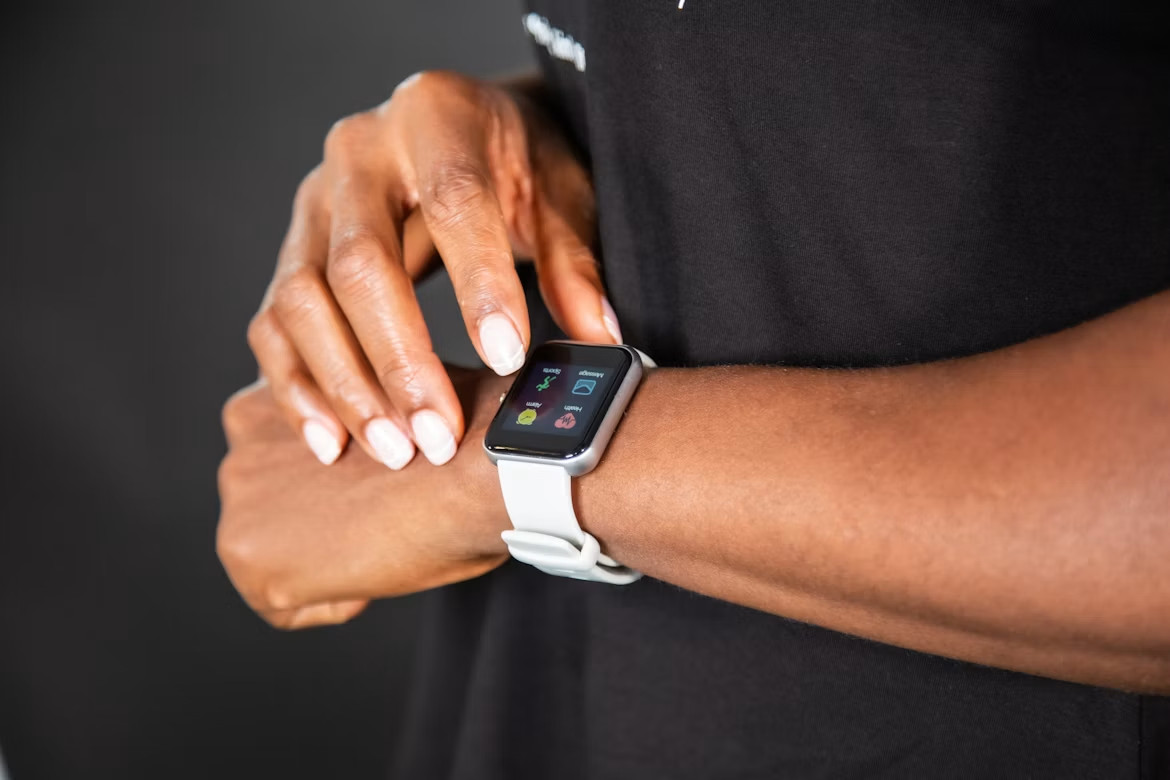
For a long time, many areas of women’s health have been under-researched, underfunded and underserved by technology.
That is beginning to change, making FemTech an increasingly exciting area of innovation.
Coined by Ida Tin in 2016, the term FemTech was initially associated largely with menstrual and reproductive health. Today, it encompasses medical devices, diagnostics, artificial intelligence (AI), wearables and digital health technologies addressing everything from endometriosis and menopause to cardiovascular and autoimmune conditions.
This evolution is important: women’s health is much more than reproductive health, and innovation is increasingly beginning to reflect that.
Growing momentum
Investment in this space is increasing internationally. Silicon Valley Bank reported that approximately US$2 billion in venture capital was invested in women’s health companies across the US and Europe in 2025.
Of particular significance is the increasing momentum in FemTech innovation across Australia.
One example is IMAGENDO ®, developed by Australian researchers to combine specialist ultrasound and MRI with AI and machine learning, with the aim of improving the non-invasive diagnosis of endometriosis.
The need is significant. Australian data indicate that around 1 in 7 women born in 1973-78 had been diagnosed with endometriosis by their late 40s, while diagnosis can still take six to eight years.
IMAGENDO has continued to gain momentum, receiving further Australian research and commercialisation support during 2025-2026 and developing international collaborations.
More broadly, the Australian Government’s 2025-2026 Budget committed $792.9 million over five years to women’s health measures, including initiatives relating to endometriosis, pelvic pain, menopause and reproductive healthcare.
Internationally, FemTech is also moving well beyond health-tracking apps. In 2025, the US FDA authorised the first non-prescription at-home test for chlamydia, gonorrhoea and trichomoniasis that can be performed entirely at home. In 2026, the US National Institutes of Health also progressed its US$3 million ACT ENDO Challenge, supporting the development of non-invasive technologies for diagnosing endometriosis.
Where does IP fit?
The growth of FemTech also highlights the important role of intellectual property.
Developing medical technology can require years of research, clinical validation, regulatory work and significant investment. Identifying and protecting innovation can therefore be an important part of taking an idea from the laboratory to the market.
For a wearable, that innovation might lie in its sensors or the processing of physiological signals. For an AI diagnostic platform, it may involve the way data is acquired and analysed to generate a clinically useful result. Medical devices may also involve a combination of patents, registered designs, trade marks and confidential know-how.
WIPO has recognised this intersection through its dedicated ‘FemTech IP Management Clinic’, which provides IP and commercialisation mentoring to women-led FemTech startups.
Looking ahead: the future of FemTech
Perhaps the most exciting aspect of FemTech is not simply that investment is increasing, but that health problems that have historically received insufficient attention are increasingly becoming problems that scientists, clinicians, engineers and entrepreneurs are actively trying to solve.
Australia has exceptional medical research, MedTech and technology capabilities, creating significant opportunities for Australian women’s health innovations to be developed, protected, commercialised and taken to the world.
There is still a long way to go, but some of the most exciting innovation in FemTech may still be ahead of us.
Sources: Australian Institute of Health and Welfare; Australian Government Budget 2025–26; Adelaide University/IMAGENDO; Silicon Valley Bank, Innovation in Women’s Health 2026; US FDA; US NIH; WIPO.


